
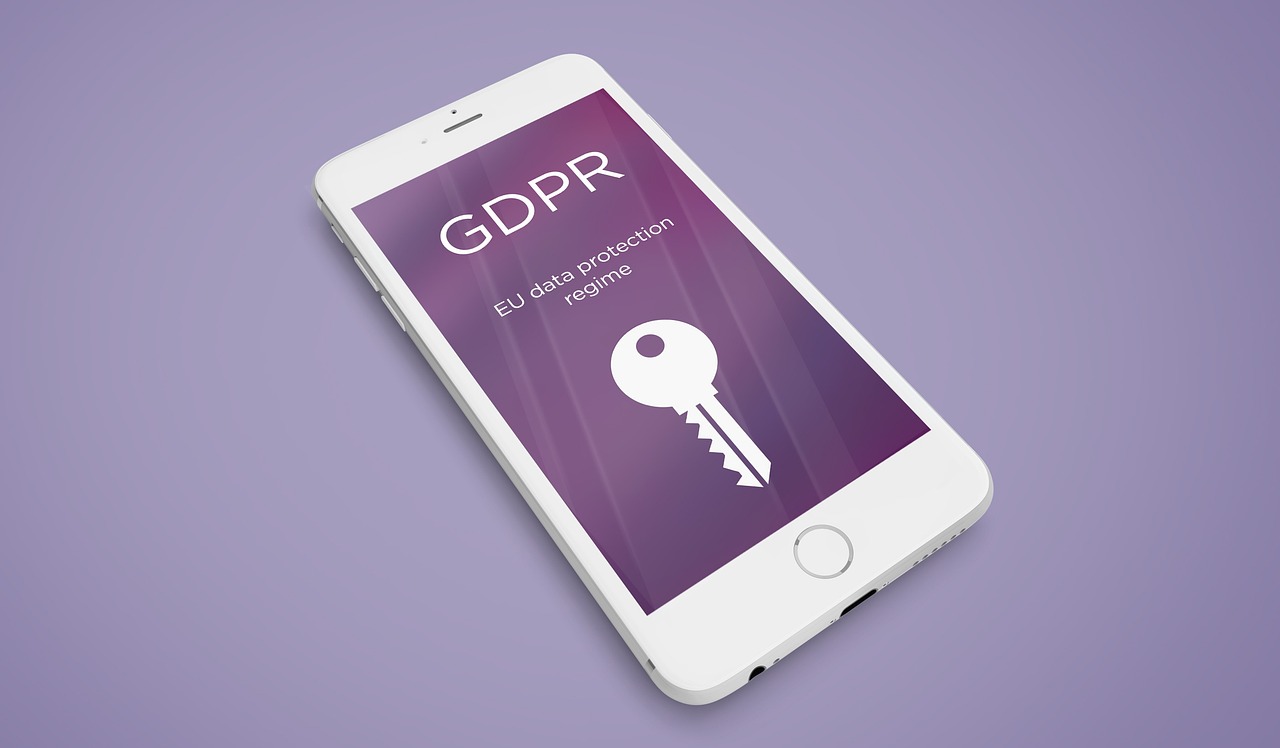
Cyberattacks and data breaches can affect companies of all shapes and sizes; despite the perception that only large corporations are at risk, SMEs are often more vulnerable due to limited resources and expertise in data security. As technology advances, unfortunately so do the tools and techniques available to criminals, leaving our information at greater risk. This means businesses must constantly monitor and improve their cybersecurity framework to keep themselves and their customers safe.
This guide will explore why data protection should be a top priority for SMEs, and provide you with actionable insights to help safeguard your sensitive information.
Maintaining trust
Data protection is crucial for SMEs to maintain the trust of their customers and partners. After all, both the public and other businesses need to know their data is safe with you. By safeguarding sensitive information, you can prevent any unauthorised access, avoid data breaches, and mitigate the potential damage to your reputation if data were to be leaked. Protecting customer data is not just a legal obligation, but a competitive advantage that can enhance customer loyalty and reinforce your brand’s reputation.
Legal and financial implications
Failing to comply with data protection regulations, such as the General Data Protection Regulation (GDPR), can result in severe financial penalties. UK-based SMEs must understand these legal requirements and follow them closely to avoid fines that could cripple their business. It’s important to ensure the data your company keeps is high quality and reliable, as low-quality data can cause you to miss regulatory compliance obligations.
Best practices for securing data
There are many ways to keep your data secure as an SME, including:
- Conducting regular audits to assess your current data security measures and identify any vulnerabilities.
- Implementing a robust password policy for both employees and customers, where strong passwords are mandatory.
- Ensuring that sensitive information is encrypted both in transit and at rest.
- Establishing Multi-factor authentication to add an extra layer of security to user logins.
- Keeping all systems and applications up to date to protect against vulnerabilities.
Tailoring your data protection strategy
Creating a data protection strategy that’s tailored to the specific needs of your business is essential. Start by identifying the types of data you handle, assessing the associated risks, and implementing controls to mitigate those risks. Be sure to regularly review and update your strategy, to adapt to evolving threats and regulations.
Employees are often the first line of defence against data breaches. Regular training sessions can educate staff on data protection best practices, including recognising phishing attempts and handling sensitive information securely. Empowering employees with knowledge and skills can significantly reduce the risk of human errors which may lead to accidental data breaches.
Investing in secure technology
Though you may at first feel they’re unnecessary or costly, investing in secure technology to help you build a robust data security infrastructure can provide long-term benefits for SMEs. Modern security solutions, such as advanced firewalls, intrusion detection systems, and secure cloud services, offer good protection against cyberthreats – which can enhance your operational efficiency and provide peace of mind.
Defend your business for the long term
By prioritising data protection as an SME, you can protect your business, customers, and reputation from the growing threat of cyberattacks. As cyberthreats only continue to become more sophisticated, implementing best practices and leveraging available resources will ensure long-term success and sustainability of your business.
Please note this is a contributed post.
