
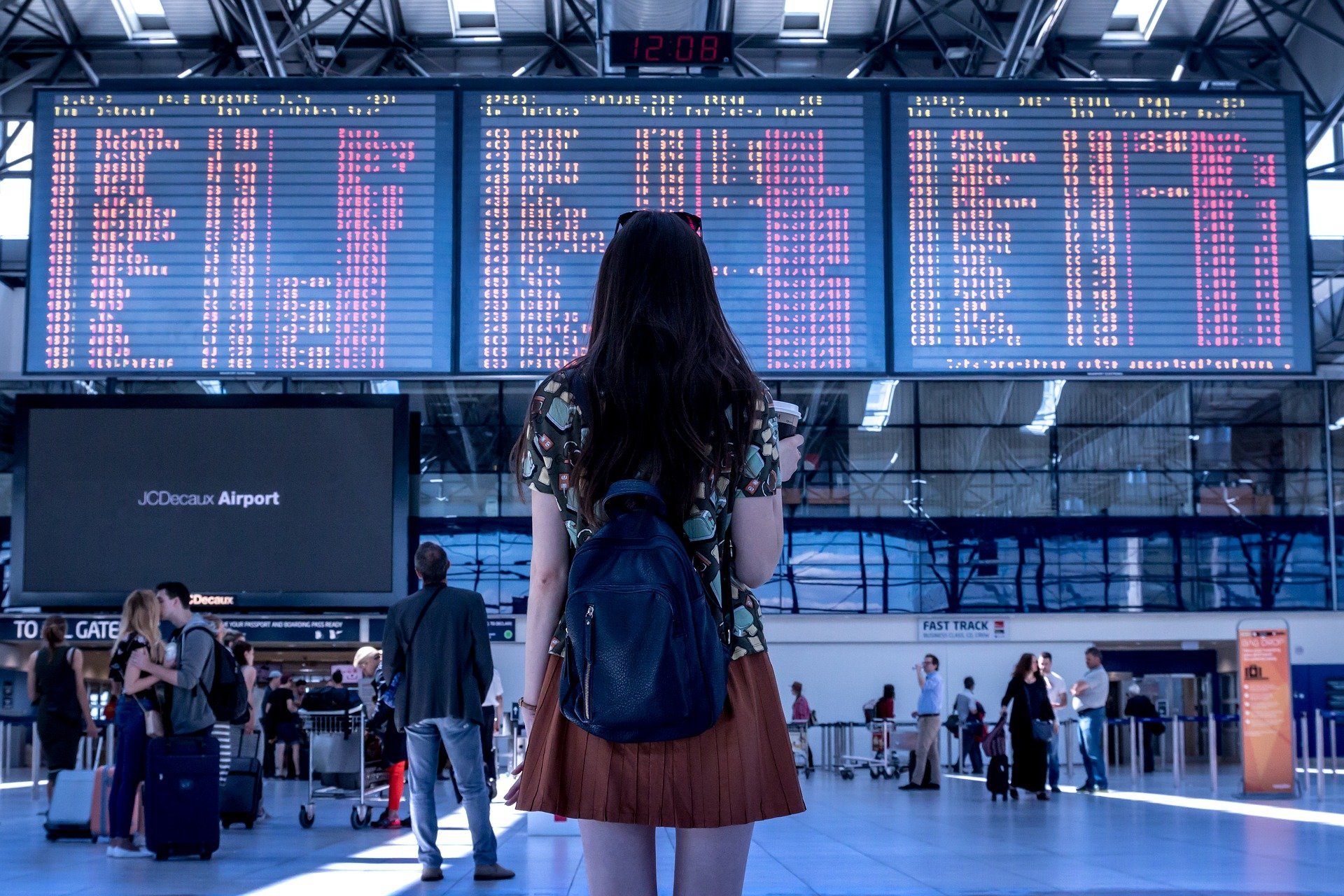
Sixteen of the UK’s busiest airports have increased drop-off fees, with RAC research finding the average cost has soared by a third.
The cost of dropping off in ‘kiss-and-fly’ zones is up by an average of £1.70 to £7 compared to this time last year. London Gatwick and London Stansted charge the highest fees (£10 for 10 minutes and 15 minutes respectively).
AIRPORT PICK UP AND DROP-OFF FEES AS AT JUNE 2026
Edinburgh airport – £8.50 for 0 – 10 mins and and £1 for every minute thereafter
Newcastle airport – £6 for 0 – 10 mins and £12 for up to 30 mins
Newquay airport – free for first 10 mins and £2.50 for up to 30 mins
Cardiff airport – £3 for 0 – 10 mins and £3 every 10 mins thereafter (free for 20 mins in Car Park 2)
Belfast City – £4 for up to 10 mins and £6 for up to 20 mins (10 mins free in Long Stay car park)
BE WARNED! 21 – 30 mins is £20, 30 – 60 mins is £25 and £50 for + 1 hour (day rate)
Manchester Airport – £5.50 for give mins, £6,50 for 10 mins and £25 for up to 30 mins
London City – £8 for 0 – 5 mins and £1 for every minute thereafter
You do not have to use drop-off zones. Familiarise yourself with the layout beforehand so you can drop off for free.
BEWARE OF BARRIERLESS DROP-OFF ZONES
Dropping off or picking up family and friends is the latest cash cow. Plan in advance on how to pay before you drop off friends and family at airport drop-off zones.
Airports have installed ANPR (Automatic Number Plate Recognition) cameras to capture vehicles entering and leaving airport car parks with no barriers. You may not see the signs or realise that you need to pay until a Parking Charge Notice arrives in the post.
London Heathrow, Gatwick, Manchester, Stansted and Luton do not have entry and exit barriers or provide physical facilities to pay.
There are no barriers – you incur a charge when you enter the drop-off zone. You need to pay online or by an automated telephone service in advance.
You risk forgetting to pay and being hit with a Parking Charge Notice (not a fine).
THE AIRPORT LOOPHOLE
I hear many complaints, particularly at Manchester Airport, about confusing signs and layouts where motorists are unwittingly caught out and hit with £100 Parking Charge Notices through no fault of their own.
When you receive a Parking Charge Notice (an invoice – not a fine) for an alleged breach of contract for parking on private land, the parking operator relies on the Protection of Freedoms Act 2012 to hold the keeper liable. This is for a breach of contract on “relevant land” and applies to most private car parks such as supermarkets, gyms and retail parks BUT not airports.
Land around airports is usually classed as “statutory land” and covered by bylaws, not “relevant land” under the Protection of Freedoms Act 2012 – so there is no keeper liability.
This means the parking operator can only pursue the driver. They cannot assume the keeper was the driver. You are only invited to tell the parking operator who the driver is to transfer liability.
Always check to see if the land in question falls under airport land before submitting an appeal.
Appeal promptly within the deadline of the Parking Charge Notice and keep copies of all correspondence.
Never say:
- Who was driving
- Do not use pronouns or phrases that suggest who was driving like “I parked” or “I did” as you inadvertently disclose who the driver is and transfer liability
- Do not name or describe the driver
Always appeal as the registered keeper only, without making any admissions or assumptions about the driver’s identity.
The parking operator has failed to meet the strict requirements of POFA, so they cannot transfer liability to the driver. However, any indication that the keeper was driving may be used to bypass POFA and pursue the driver.
If you identify the driver, you void the loophole.
HOW TO AVOID AIRPORT DROP-OFF FEES
Ask a friend for a lift to the airport. Get them to drop you outside of the perimeter to avoid drop-off fees.
Find a residential street nearby where you can park for free. Be courteous and park in a space that doesn’t obstruct or cause anyone an inconvenience.
Use public transport.
Look at park and stay rates at hotels near the airport.
See if you can park on someone’s drive near the airport and use public transport.
Use an airport that has low / no fees at all.
MY VIEW
Airports will say that the price hikes are done to reduce traffic outside the airport, combat congestion, improve traffic flow, safety and efficiency. Nothing to do with easy revenue raising!
None of the top 10 airports in the EU charge drop-off fees. Neither do many other major international airports including Atlanta (the world’s busiest), Dubai, Shanghai and Istanbul. If they can do it, why can’t we?
Drop-off fees and zones is an easy and lucrative cash cow for a captive audience – there’s no denying it.
Many airports are not easily accessible, which penalises disabled and elderly travellers who need close access to airports. Under the Equality Act 2010, service providers must make reasonable adjustments for disabled people. This includes removing physical or financial barriers that create disadvantage.
Charging everyone the same may look fair but if it impacts disabled people more, it’s indirect discrimination.
The House of Lords seems to agree
The Liberal Democrat and Conservative Lords refused to back the Civil Aviation (Consumer Protection and Regulatory Reform) Bill, sending it back to the House of Commons and forcing the government to conduct a review of drop-off fees.
Shadow transport minister Lord Moylan accused airports of raising passenger drop-off fees with ‘great enthusiasm’, insisting a review is needed for those who do not have a realistic alternative to being dropped off at the terminal.
“The Government has gone some way to improve protections for disabled passengers in aviation,” he said. “But it’s no good strengthening rights inside the airport while supporting surface access policies that make it harder and more expensive for disabled passengers or those assisting them to get to the terminal in the first place.”
Former UUP leader Lord Empey described the fees as ‘out of control’, arguing ministers need to step in.
“The fundamental point is that this is now a revenue stream that didn’t exist a relatively short period of time ago,” he said.
“It’s rapidly increasing, and it will continue to increase either because the airports feel it is a way of making money, or because some people think policies – that we force people away from the drop-off and onto public transport – that has its own advantages. But that only applies in limited cases, and it is certainly not universally spread around the country.”
What do you think?

Everything in this country feels completely backwards. The 5p charge for plastic bags was introduced as an environmental measure, supposedly to reduce waste and support charities. Fast forward a few years, and the 5p bags have all but disappeared. Now it’s 40p for a “bag for life” almost everywhere.
Then you arrive at Manchester Airport and even a luggage trolley costs £2. It seems like every inconvenience has been turned into another revenue stream.
It increasingly feels like every opportunity to charge people for something that used to be free is embraced, often under the banner of sustainability or convenience. Whether it’s bags, airport trolleys, parking, or countless other fees, the costs just keep creeping up while people are expected to accept it as normal.
Sometimes it feels less like improving the environment or customer experience, and more like finding new ways to make money from everyday life.